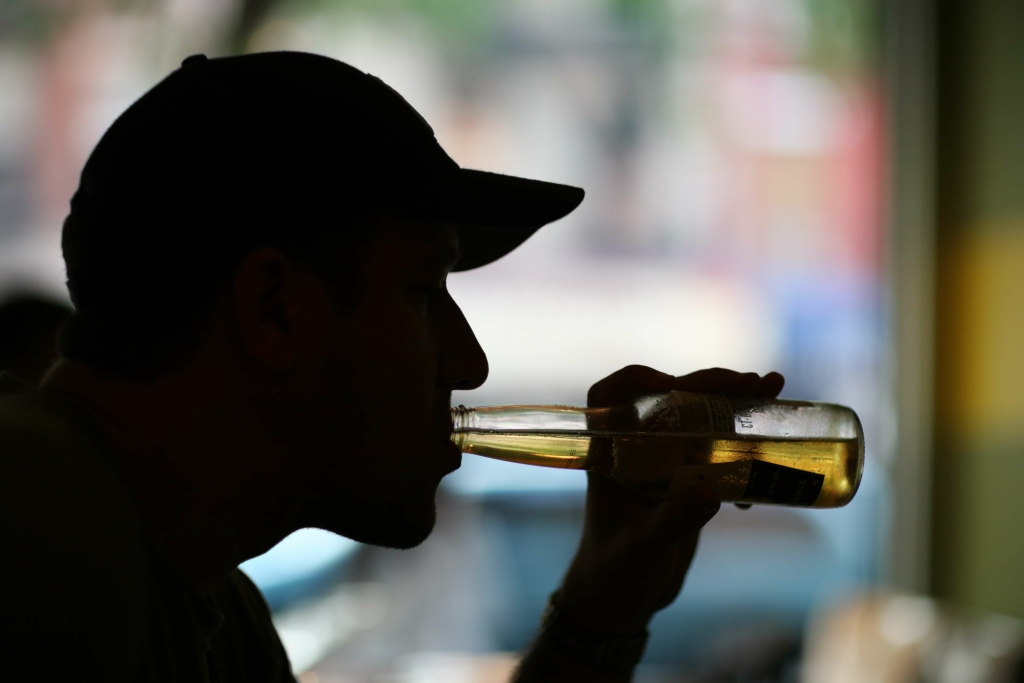
There are several ways for a doctor to diagnose an alcohol allergy or intolerance, including the approaches below. Symptoms of alcohol intolerance can make a person feel uncomfortable. In some cases, they might use an oral challenge test to diagnose an allergy or intolerance. In this procedure, they will ask you to consume a sample of your suspected trigger.
- Your healthcare provider can order this test or you can purchase one through private vendors.
- However, for people who are reacting to other ingredients in wine, tracking what they drink and their reactions may make it possible for them to enjoy some alcoholic beverages in moderation.
- Sneezing is a normal biological response that happens when the mucus membranes in the nose are irritated.
- If you’re looking for a way to prevent sneezing when you drink, try making your cocktails with fresh fruit juices instead of using pre-made mixes.
It helps to remove harmful bacteria, unwanted tannins and other impurities from the liquid before it can be consumed. Egg whites and gelatin are two of the most commonly used filtration agents due to their ability to absorb proteins and reduce astringency. Food intolerance occurs when your digestive system has a hard time with a particular food. With intolerance or sensitivity, your digestive system gets irritated by certain foods or has trouble digesting them. Allergies occur when the body responds to an allergen (for example, an ingredient in beer).
Why Do I Sneeze While Drinking Wine?
Seizures can occur within 6 to 48 hours, while hallucinations can occur within 12 to 48 hours after drinking is reduced or stopped, says Dr. Nolan. This is considered a medical emergency because it can lead to permanent brain damage. In one 2005 Swedish study, those with asthma, bronchitis and hay fever were more apt to sneeze, get a runny nose or have “lower-airway symptoms” after a drink, especially women. One older study in people with asthma found that over 40 percent of participants said that drinking alcohol prompted allergy or allergy-like symptoms. However, some people develop allergy-like symptoms, such as an itchy throat and nasal congestion, in response to the sulfites in wine. Symptoms are more likely to be a reaction to the ingredients in a drink, or the alcohol causing other types of allergies to worsen.

Sulfites are preservatives, and most countries permit their addition to alcoholic drinks such as beer and wine. However, some people may experience allergy-like reactions after consumption. If you develop symptoms after drinking alcohol, make an appointment with your doctor.
Can you get tested for alcohol intolerance?
Anaphylaxis is a rare but severe allergic reaction possible with any allergy, including beer or its ingredients. While the main ingredient in beer is water, people with beer allergy symptoms are often sensitive to beer ingredients Step 1 of Alcoholics Anonymous: What Is Step 1 of AA? like wheat, yeast, sulfites, and histamine. Other risk factors include previous episodes of severe alcohol withdrawal. The best treatment of allergies is to avoid the substance that triggers a reaction wherever possible.
However, in people with an alcohol allergy, the system mistakenly produces antibodies to attack alcohol following exposure to the substance, triggering various symptoms. An alcohol allergy occurs when the immune system overreacts to alcohol entering https://en.forexdata.info/why-do-i-sneeze-when-i-drink-alcohol/ the body. While some foods are broken down in the intestines, others are digested in the stomach. Alcohol does not need to pass through the digestive tract in order to be digested; rather, it is absorbed directly into the blood stream.
When to see a doctor
If a person thinks they have an alcohol allergy, they should eliminate alcohol from their diet and consult with a healthcare professional. Hodgkin lymphoma is a blood cancer that can affect a person’s lymphatic system. People with this condition usually experience swelling in the lymph nodes in areas including the neck, armpits, or groin. Alcohol allergy symptoms can range from mild, such as an itchy mouth or eyes, to severe, including vomiting or anaphylaxis. The consumption of alcohol has been linked to nasal congestion in some people. Red wine tends to have higher levels of histamine than white wine or beer.

For heavy drinkers, quitting cold turkey isn’t the safest option. If you or someone you know wants to stop drinking, it’s best to do so under medical supervision. Inpatient treatment, which requires staying overnight at a facility, might be safest for those at risk of severe alcohol withdrawal symptoms.
Here’s What Alcohol Withdrawal Symptoms Actually Feel Like
If you suffer from a genuine alcohol allergy, avoid it altogether. The symptoms range from sneezing and congestion to a more severe anaphylactic reaction. Histamine, which is produced during the breakdown of alcohol, is one of the main compounds responsible for these allergic reactions. People who are sensitive to histamine may experience more severe symptoms than those who are not. It is important to be aware of any potential allergy symptoms that can occur when consuming alcoholic beverages and speak to a doctor if any reactions occur.
As mentioned, a true allergy to alcohol is extremely rare, though cases of skin reactions have happened. “Alcohol may in some people aggregate skin conditions like urticaria (hives),” says Nurse Shaw. Excessive acetaldehyde can lead to sickness, an irregular heartbeat and the aforementioned facial flushing.
At that point, you’re already sneezing and the extra pressure can cause damage to your eardrums, nose, and eyes, Khoshaba says. Scientists aren’t sure why this occurs, but it can be avoided by eating smaller meals, Khoshaba says. Foods like black pepper, curry, and onions are all common triggers of gustatory rhinitis. Khoshaba recommends having a cup nightly before bed to soothe irritation. “It can be a great tool to combat sneezing by reducing the total amount of histamine in your body,” she says.