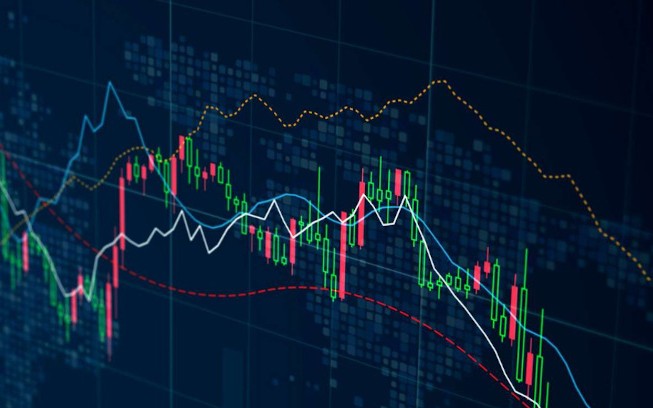
Mastering Forex Trading: Strategies, Tools, and Tips for Success
Forex trading, the world’s largest financial market, has gained tremendous popularity over the past two decades. It offers unique opportunities for individuals and organizations to gain considerable profits. However, trading foreign currencies is not without its challenges. In this article, we will explore effective strategies, essential tools, and tips to help you navigate the forex market successfully. If you are looking to delve into forex trading, consider exploring forex trading acev.io for more resources.
Understanding Forex Trading
The foreign exchange market, or forex, facilitates the buying and selling of currencies. Unlike stock markets, the forex market operates 24 hours a day, five days a week, allowing traders to engage at any time. Major currency pairs, such as EUR/USD and GBP/USD, are commonly traded, with liquidity and volatility affecting price movements. Understanding how these elements work together is crucial for anyone looking to succeed in forex trading.
Key Concepts in Forex Trading
Before diving into strategies and tools, it is important to grasp some fundamental concepts in forex trading:
- Currency Pairs: Currencies are traded in pairs, such as USD/JPY. The first currency is the base currency, while the second is the quote currency.
- Leverage: Forex trading often allows the use of leverage, meaning you can trade larger positions than your available capital. While this can amplify profits, it can also increase potential losses.
- Pips: A pip is the smallest price increment in a currency pair. Understanding pips is essential for calculating gains and losses in forex trades.
- Spread: The spread is the difference between the bid and ask price of a currency pair. Knowing how spreads work can help you better understand trading costs.
Effective Forex Trading Strategies
Now that we’ve covered some basic concepts, let’s delve into strategies. A well-structured trading strategy is essential for consistent success in forex trading. Here are a few effective approaches:
1. Technical Analysis
Technical analysis involves studying price charts and using various indicators to forecast future price movements. Common tools include:
- Moving Averages: Helps identify trends by smoothing out price data over a designated period.
- Relative Strength Index (RSI): A momentum oscillator that measures the speed and change of price movements, indicating overbought or oversold conditions.
- Bollinger Bands: These bands are plotted above and below a moving average to indicate volatility and potential price reversals.
2. Fundamental Analysis
Fundamental analysis focuses on economic indicators, interest rates, and geopolitical events that can affect currency value. Key economic releases to watch include:
- Employment Reports
- Gross Domestic Product (GDP)
- Consumer Price Index (CPI)

Understanding these factors helps traders make informed decisions about market conditions and potential currency movements.
3. Price Action Trading
Price action trading is a strategy that relies solely on historical price movements without the use of indicators. Traders analyze price patterns, support and resistance levels, and candlestick formations to identify potential entry and exit points.
Essential Tools for Forex Trading
To streamline your forex trading process, implementing the right tools is essential. Here are some widely recognized tools that can enhance your trading experience:
- Trading Platforms: Popular platforms include MetaTrader 4 (MT4) and MetaTrader 5 (MT5). These platforms provide essential features such as charting tools, technical indicators, and the ability to automate trades.
- Forex Calendars: Economic calendars keep you informed about upcoming economic events and releases that may affect currency prices.
- Trading Journals: Keeping a trading journal helps track your trades, analyze performance, and improve future strategies.
Risk Management in Forex Trading
One of the most critical elements of successful forex trading is implementing effective risk management strategies. Protecting your capital while seeking profits is paramount. Here are key practices to consider:
- Setting Stop-Loss Orders: A stop-loss order limits potential losses by automatically closing a trade once it reaches a certain price level.
- Risk-to-Reward Ratio: Aim for trades that offer a higher potential reward than your expected risk. A common ratio is 1:3, where for every unit of risk, you seek three units of reward.
- Diversification: Avoid putting all your capital into one trade. Diversifying your portfolio across various currency pairs can help mitigate risk.
Continuous Learning and Adaptation
The forex market is dynamic, and conditions can change rapidly. Continuous education is essential for long-term success. Engage with the trading community, read books, attend webinars, and stay up-to-date on market developments.
Additionally, keeping a flexible mindset allows you to adapt to changing market conditions. What works today may not work tomorrow, so be prepared to revisit and modify your trading strategies as needed.
Conclusion
Mastering forex trading involves dedication, patience, and a willingness to learn from both successes and failures. By understanding key concepts, employing effective strategies, utilizing essential tools, and practicing sound risk management, you can enhance your trading skills and increase your chances of success in the forex market. Start your trading journey with an open mind, and always be ready to adapt in the ever-evolving world of forex trading.






.jpg)
.jpg)
.jpg)
.jpg)
.jpg)
.jpg)
.jpg)

.jpeg)